Metalex Inc. hears the question often: what is the real difference between wrought iron vs mild steel when you order a railing or fence? The answer surprises many homeowners, because the words on a product page and the metal in the shop are not always the same thing. This guide explains the history, the practical differences and the design choices that matter today. By the end, you will know what to ask before you commit to a material.
What Wrought Iron Originally Meant
Historically, wrought iron was a distinct material. Blacksmiths produced it by refining iron until it contained very little carbon and a scattering of glassy slag fibres. Those fibres gave it a grainy structure, similar to wood, that resisted corrosion and could be hammered, bent and forge-welded by hand.
Production of true wrought iron faded in the early twentieth century as steel became easier to make in volume and more consistent in quality. Today, new wrought iron in the traditional sense is rare, and most of it comes from reclaimed antique pieces.
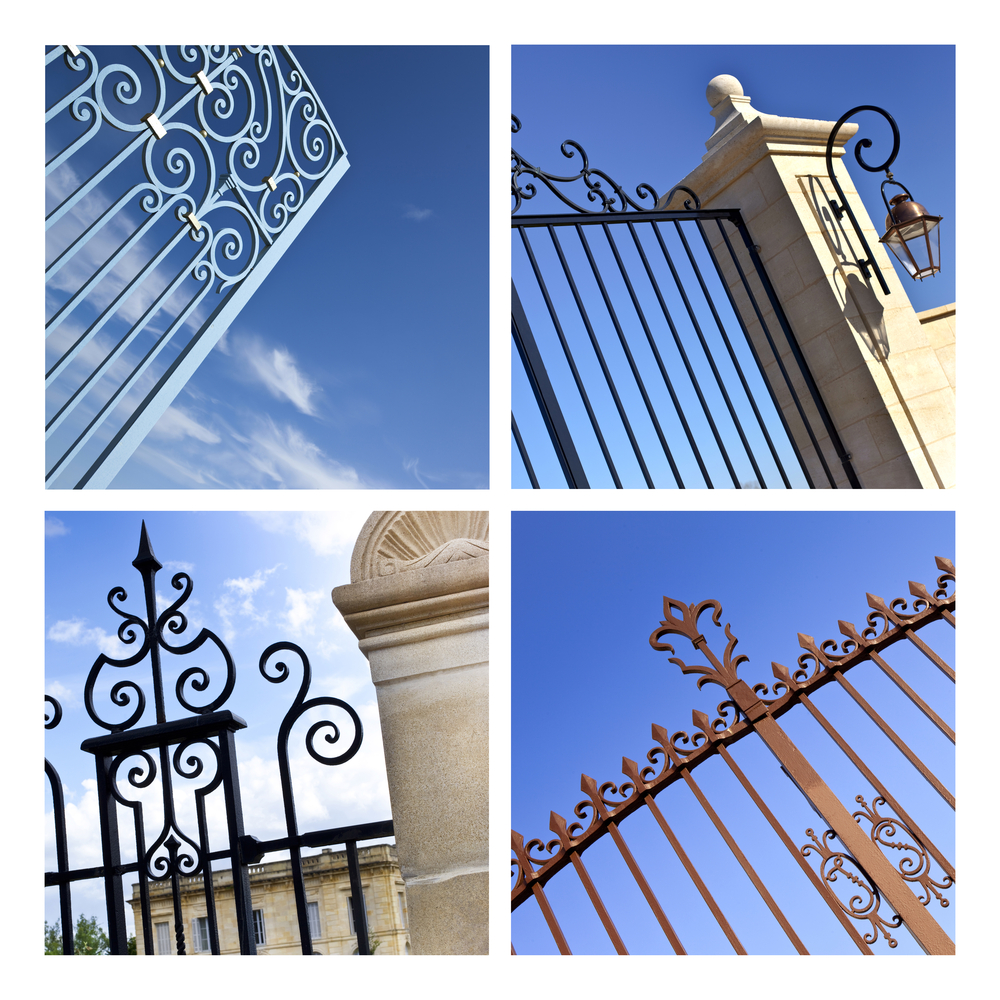
That history explains why the name survives. People still use "wrought iron" to describe a style: scrolls, twisted bars, hand-forged details and ornate finials. The look continues even though the base metal has changed.
What Mild Steel Is and Why Fabricators Use It
Mild steel, also called low-carbon steel, is iron alloyed with a small amount of carbon, commonly well under half a percent. It is strong, predictable and easy to cut, bend and weld. Those qualities make it the workhorse of modern metal fabrication.
Because every batch is manufactured to standards, a fabricator can order bar, tube, plate and square stock in known sizes and grades. That consistency matters for railings, where posts and balusters must line up cleanly and carry loads safely. The Canadian Institute of Steel Construction publishes technical resources on structural steel for those who want to read further.
Mild steel does rust if left unprotected, so the finish is critical. A good coating system does the protective work that old wrought iron did through its own chemistry.
Wrought Iron vs Mild Steel Side by Side
The table below compares the traditional material with the modern one. It focuses on properties you can see, feel and plan around.
| Feature | Traditional wrought iron | Mild steel |
|---|---|---|
| Availability today | Rare, often reclaimed | Widely available in standard shapes |
| Consistency | Varies from piece to piece | Uniform and predictable |
| Workability | Excellent for hand forging | Excellent for welding and shaping |
| Corrosion behaviour | Naturally resistant, but not immune | Needs a protective coating |
| Typical use now | Restoration of antique work | New railings, fences and gates |
Why the look matters more than the label
For most homeowners, the goal is a particular appearance and a long service life. Both come from design and finishing, not from the label. A well-fabricated steel railing with traditional scrollwork looks every bit as classic as an old forged one, and it holds its shape for years.
Wrought Iron vs Mild Steel for Outdoor Railings and Fences
Outdoor work puts the choice under real pressure. Rain, snow, salt and temperature swings attack the surface every year, so the finish and the fabrication quality count for more than the material name.
For exterior projects in the Greater Toronto Area, coated mild steel is the common choice because it can be shaped into nearly any design and protected with a durable finish. Antique wrought iron can be beautiful, yet it still needs care, and matching sizes or repairing damaged sections is difficult.
When you compare wrought iron vs mild steel for a gate, fence or porch railing, focus on the details you can control. Ask about coating layers, drainage at the base of posts and how joints are sealed. Those points predict longevity far better than a label does. Our iron fences page shows the range of designs we create.
Design Choices That Create the Wrought Iron Look
If you love the classic style, you can have it without hunting for antique metal. Several details create that character.
- Scrolls and curls: Hand-bent bar stock formed into decorative patterns.
- Twisted balusters: Square bars turned to give texture and rhythm.
- Finials and caps: Spear points, balls or ornamental tops on posts.
- Collars and rosettes: Small decorative rings that hide joints.
- Hammered or textured surfaces: A tactile finish that catches the light.
Modern profiles are available too. Clean vertical bars, flat-bar frames and minimalist posts suit contemporary homes. You can combine both approaches if you want a classic gate with simple fence panels. Our article on why wrought iron railings remain a Toronto favourite explores the style in more detail.
Protecting the Metal With the Right Finish
Whatever the metal, the finish decides how long it lasts outdoors. Toronto’s freeze-thaw cycles, humidity and road salt test every coating.
Common options include powder coating, liquid paint over primer, and galvanizing as a base layer. Many exterior projects combine a zinc layer with a topcoat for added protection. Each system has strengths, and the right one depends on location, exposure and appearance.
Proper preparation matters as much as the product. Metal must be clean, dry and free of mill scale before coating. Ask how surfaces are prepared and how welds and edges are treated, since those spots fail first. You can read more about finishes in our guide to the best coatings for long-lasting metal railings.
Questions to Ask Before You Choose
A short list of questions helps you compare proposals fairly and understand what you are getting.
1. What metal is the railing or fence made from, and what grade or thickness?
2. How are the surfaces prepared before coating?
3. What coating system is used, and how many layers?
4. Where are the welds, and how are they finished?
5. What maintenance should I plan for each year?
A clear answer to each one shows that the fabricator understands the work. If an answer is vague, ask again. An honest quote is given after assessment, once the details are confirmed.
For a look at how we handle outdoor projects, visit our exterior metal railings page.
Frequently Asked Questions
Is mild steel as strong as wrought iron?
For modern structural use, yes. Mild steel offers high, predictable strength and is easier to engineer. Traditional wrought iron has its own qualities, but it is not available in the volumes needed for most new projects.
Why do companies still call it wrought iron?
The term describes a style as much as a material. Ornamental ironwork with scrolls and hand-forged detail kept its name even as steel replaced the original metal. It is a useful shorthand for a classic look.
Will a mild steel railing rust?
It can if the coating is damaged or poorly applied. Good surface preparation, a quality finish and occasional touch-ups prevent most problems. Regular inspection catches small chips early.
Can I match a new railing to an old wrought iron one?
Often yes. A fabricator can reproduce patterns, spacing and details using modern materials. Bringing photos and measurements of the existing piece helps the process.
Contact Metalex Inc.
Curious which material and style suit your home? Call or visit.
- Phone: (647) 969-3759
- Address: 124 Connie Crescent Unit # 6, Vaughan, ON L4K 1L7
- Hours: Monday to Friday, 8:00 a.m. to 5:00 p.m.