
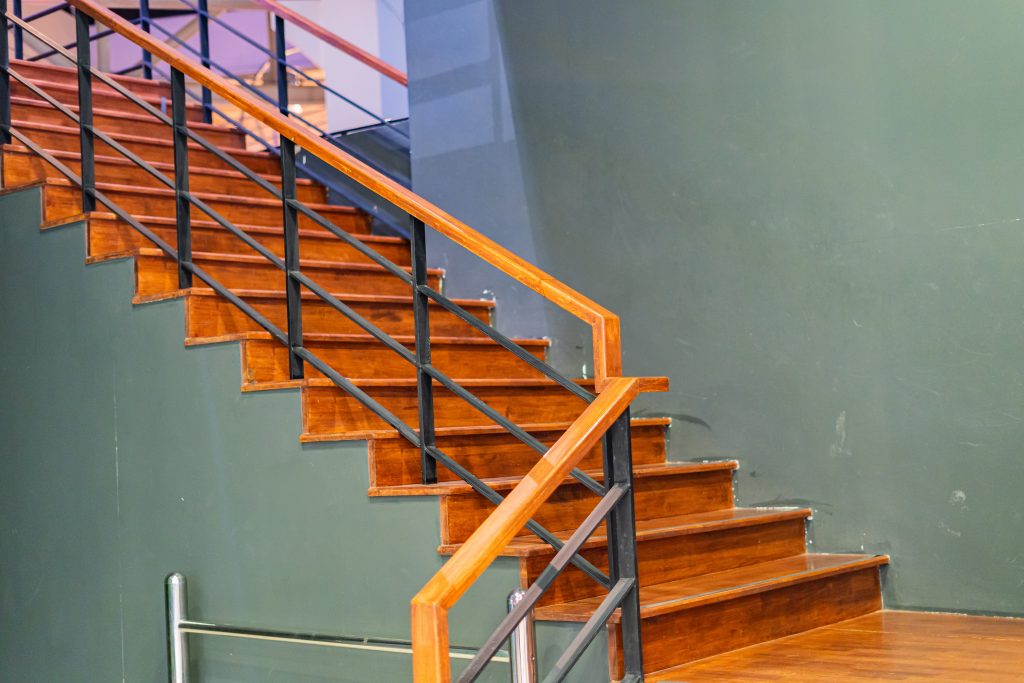
A wobbly stair railing rarely fixes itself. Instead, the movement usually points to a specific problem underneath. Metalex INC explains what causes this issue and why fast attention matters for metal stairs in any home or building.
Why Stair Railings Loosen Over Time
Railings take constant pressure from hands gripping, leaning, and pushing. Consequently, the connection points wear down gradually. Specifically, weld joints can weaken, or mounting brackets can shift slightly with repeated stress.
In addition, temperature swings affect metal expansion and contraction. Therefore, seasonal changes sometimes accelerate small gaps that eventually become noticeable wobble. Metalex INC sees this pattern frequently in older installations across Toronto.
Common Causes Behind the Wobble
First, check the base connection where the railing meets the floor or stair tread. Loose anchor bolts often cause the most noticeable movement. Next, examine weld points along the railing’s length for visible cracks or separation.
Furthermore, some railings loosen because the original installation didn’t account for heavy daily use. For instance, high-traffic stairs in commercial buildings experience more stress than residential ones. Consequently, commercial installations sometimes need reinforcement sooner than expected.
Why This Matters for Safety
A loose railing creates real fall risk, especially on stairs. People rely on railings for balance, particularly when carrying items or moving quickly. Therefore, even slight movement deserves prompt attention rather than a wait-and-see approach.
Additionally, liability becomes a concern for property owners and businesses. If someone falls due to a known but unrepaired railing issue, consequences extend beyond just the repair cost. Metalex INC recommends addressing wobble as soon as it appears.
How Professionals Diagnose the Problem
A technician first inspects the entire railing system, not just the wobbly section. Specifically, they check anchor points, weld seams, and the overall structural connection to the stairs. This thorough approach catches related issues before they cause separate problems.
Sometimes, the fix requires only tightening or re-securing hardware. Other times, a mobile welding visit becomes necessary to repair a cracked weld or reinforce a weak connection point. Either way, proper diagnosis prevents repeat issues.
Comparing Railing Issues Across Different Structures
Loose connections aren’t unique to stairs. For example, a balcony railing can develop similar wobble from weather exposure and repeated use. The underlying causes often overlap, even though the structures serve different purposes.
Similarly, iron fence posts sometimes loosen in their footings after years of ground movement or freeze-thaw cycles. Recognizing these patterns helps property owners understand that metal structures generally need periodic checks, not just one-time installation.
What Happens If You Ignore the Wobble
Ignoring a loose railing rarely improves the situation. Instead, the problem typically worsens as more stress accumulates on the weakened point. Eventually, a small wobble can progress into a railing that detaches entirely under pressure.
Consequently, early repair costs far less than emergency replacement later. Metalex INC encourages property owners to schedule inspection at the first sign of movement, rather than waiting for the issue to escalate.
Maintenance Tips to Prevent Future Looseness
Regular visual checks catch problems early. Specifically, look for rust near connection points, since corrosion weakens metal over time. Additionally, listen for creaking or grinding sounds when using the stairs, as these often signal developing issues.
Just like steel gate hinges need periodic lubrication and inspection, stair railings benefit from similar attention. Simple maintenance routines extend the life of any metal structure significantly.
When to Call a Professional
Minor wobble sometimes responds to simple tightening. However, persistent movement or visible cracks require professional assessment. Metalex INC recommends calling a technician once you notice consistent movement, rather than attempting repairs without proper welding equipment.
Final Thoughts
A loose stair railing signals a problem worth addressing quickly. Metalex INC helps Toronto property owners diagnose and repair these issues before they create serious safety risks.
FAQs
Q: Why does my stair railing feel loose after several years?
Repeated stress, temperature changes, and wear at connection points often cause gradual loosening. Weld joints can weaken over time, and mounting brackets may shift slightly with consistent daily use and seasonal temperature swings.
Q: Is a wobbly railing always a safety hazard?
Yes, any noticeable movement reduces the railing’s reliability for balance support. Even minor wobble can worsen quickly under continued use. Addressing the issue early prevents a small problem from becoming a serious fall risk.
Q: Can a loose railing be repaired without full replacement?
Often, yes. Many issues involve loose hardware or a single weakened weld point. A technician can usually reinforce or repair these specific areas without replacing the entire railing system, saving both time and money.
Q: How often should I inspect my stair railings?
Checking railings twice yearly catches most developing issues early. Look for visible rust, cracks, or movement at connection points. Regular inspection prevents minor wear from becoming a larger structural or safety concern.
Q: Do commercial stair railings need more frequent checks?
Yes, commercial stairs typically experience heavier daily traffic than residential ones. This increased use accelerates wear at connection points. Businesses should inspect railings more frequently to maintain safety and reduce liability concerns.