
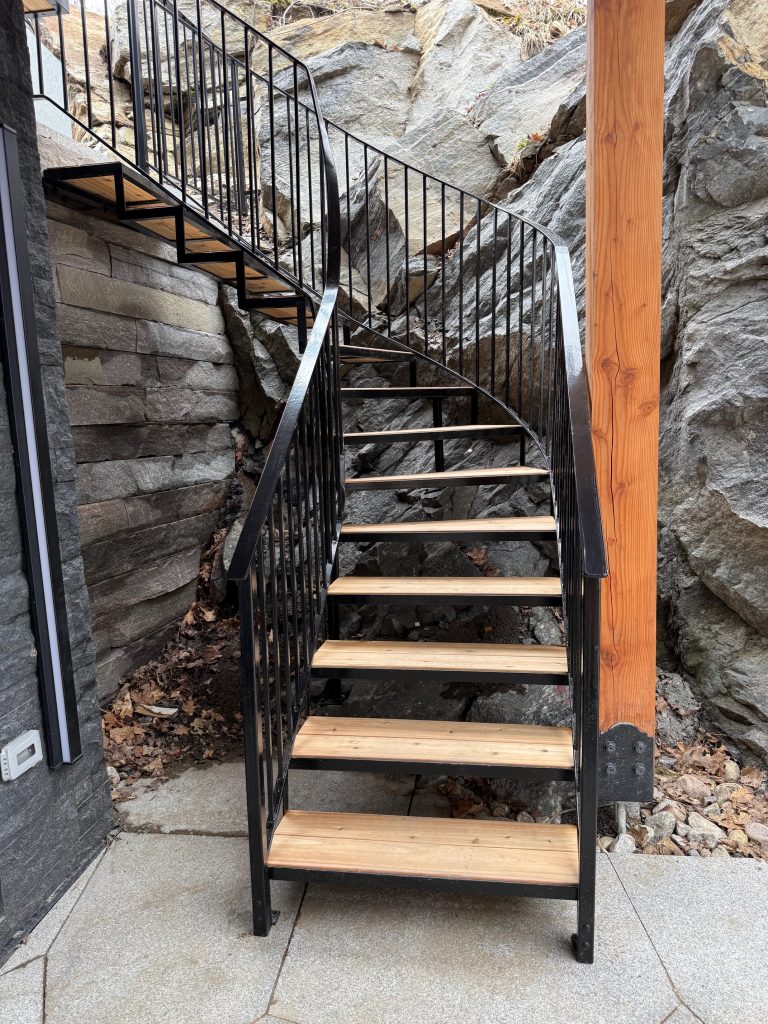
Building stairs from metal requires more than just strength. The way each joint comes together directly affects safety, durability, and the overall finish. Precision welding plays a major role in creating consistent, clean, and load-bearing stair structures that last. When done right, it eliminates weak points and brings out the full performance of strong metals like steel and aluminum. In this post, we’ll walk through the ways exact welding supports the design, installation, and long-term performance of high strength metal stair systems in homes and buildings.
Alignment Defines Load Capacity
Accuracy in welding begins with how stair stringers and treads align. Small gaps between parts may not look like much, but they change how weight transfers through the stairs. Even a minor misalignment creates uneven pressure, which leads to bending or noise over time. We prevent these issues by clamping pieces before welding and checking levels constantly.
This is especially important in open riser staircases or floating stair styles. These designs don’t have side supports, so the welds take more strain. Therefore, strong alignment prevents shifting and keeps the stairs from developing a lean or twist. In addition, the heat input during welding is controlled to reduce warping in long, unsupported spans.
Careful alignment also supports code compliance. Many building inspections focus on tread uniformity, and if one step is off, it could fail safety checks. Our attention to fit ensures every rise and run matches exactly. Explore how we approach high strength stair fabrication for modern home and commercial layouts.
Weld Type Affects Vibration and Wear
Metal stairs often face constant vibration, especially in busy spaces like commercial lobbies or stairwells with foot traffic. If the welds don’t penetrate properly, they act more like glue than structure. Over time, vibrations can cause cracks along the seam. That’s why we choose the right weld type for each part of the stair.
In flat plate sections, we use full penetration welds to let the metal fuse deep below the surface. On decorative balusters, we shift to smaller stitch welds that hold without overheating slender elements. The placement and size of each weld prevent sharp transitions that would otherwise collect stress.
We also think about weld overlap. If two welds meet at a corner, we avoid layering them on top of each other. That overlap becomes a stress point under movement. We grind back excess and keep seams smooth to minimize long-term wear. If you’re planning a project, it helps to choose metal fabrication & installation services in Toronto that balance structural strength with daily use realities.
Clean Seams Mean Cleaner Finishes
Surface prep is often overlooked in stair builds. However, the cleaner the welds, the easier it is to apply finishes like powder coat, primer, or paint. If slag or spatter remains after welding, it leads to bumps and rough patches under coating layers. That creates visible flaws and shortens the lifespan of the finish.
We remove welding residue with wire brushes and solvents. Corners are checked for buildup, and weld beads are ground flush where needed for aesthetics. This is critical for stairs with glass railings or open designs, where every seam is visible. Clean joins support a smoother final look and reduce future maintenance costs.
For exposed staircases, we often follow up with metal polishing. It blends welds into the parent metal, especially for stainless steel applications. This step also prevents moisture traps, which lowers the risk of corrosion. If you want to ask about finish options or project support, you can always contact our metal installation team in Toronto for direct assistance.
Material Thickness Impacts Weld Settings
Not all stair components use the same metal gauge. For example, support stringers might use thick tube steel, while baluster rods or trim use thinner material. If we use the same heat or speed for every joint, thinner areas will burn through while thicker spots might not fuse at all. This is where precision welding stands apart.
We adjust settings for every section. Thicker parts need slower passes and higher amperage, while thin sections need fast motion and lower heat. We also vary filler material type to match strength and thermal expansion. These adjustments keep welds consistent and reduce internal stress across the stair system.
Beyond setup, we watch for metal distortion. As different parts expand at different rates, joints can pull out of square. That’s why we tack each stair section in place before final welding. Doing so holds the shape and avoids post-weld bending. The result is a clean, true stair form that fits tight during final installation.
Joint Access Guides Stair Design
Stairs with tight turns or complex angles often create hard-to-reach joints. If the welder can’t access the area properly, they either leave it weak or overbuild surrounding areas. We avoid both problems by working closely with the design team to plan access from the start.
Sometimes we break larger stairs into subassemblies. These sections are welded flat in open space and later joined on site. Other times, we rotate the piece during welding to maintain good torch angles. The goal is always the same: complete fusion at every joint without overexposure.
This approach also speeds up installation. Because each part is already square and secure, there’s less adjustment needed in the field. It also ensures we never have to hide a poor weld behind a cover or trim piece. That keeps the look and strength aligned, which is especially helpful on site-built steel stairs.
Ventilation and Safety During Welding
Welding releases fumes that vary based on metal type, filler rod, and coating. We always protect our team by setting up proper ventilation before work begins. This is especially important indoors, where air circulation is low. In tight stairwells or basements, poor airflow can quickly become hazardous.
We place fume extractors near the work zone. Where airflow isn’t possible, we use filtered masks to avoid breathing zinc oxide or other vapors. Clean work environments also prevent contamination that would weaken the weld. That means no oils, paints, or rust where the arc will land.
Safety extends to fire risk as well. Sparks during welding can ignite dust or debris in nearby corners. That’s why we keep floors clean and remove any flammable materials in advance. Welding blankets cover nearby surfaces to avoid damage. Good preparation protects both the stair system and the workspace.
Inspection Keeps Weld Quality Consistent
After welding, each joint is inspected. Some seams are checked visually, while others require tap testing or dye penetrant checks for surface cracks. We also confirm that weld size matches design specs. This step ensures that every load path is supported by welds that meet strength requirements.
In multi-floor staircases, we repeat inspections between flights. That helps catch early signs of distortion or fatigue. If we see a change in weld color or structure, we know to pause and adjust settings before continuing. This step saves time later and avoids callbacks for noise or failure.
For stairs in high-traffic areas, we add extra testing steps. Stair treads that face vibration or impacts are reinforced with stitch or fillet welds. These additions strengthen the system without bulk or added weight. That way, the design stays sleek while meeting performance expectations for years to come.
FAQs
What metals work best for high strength stair welding?
Steel and aluminum are the most common. Steel offers higher load capacity, while aluminum is lighter and resists corrosion. Each one needs specific weld settings and filler material.
Can precision welding reduce stair noise?
Yes. When metal parts are fused properly, they don’t shift or rub. Poor welds can loosen over time, leading to squeaks or tapping under load.
Is field welding as strong as shop welding?
It depends on access and setup. Shop welding allows better positioning and control. Field welds are strong when space and safety conditions are well managed.
What finish is best after welding metal stairs?
Powder coating works well for indoor stairs. For outdoor use, galvanizing or specialized primers help prevent rust. Clean welds allow all finishes to last longer.
How do you know a weld is strong enough?
We test welds by inspecting shape, depth, and spacing. Some projects also require third-party certification or testing for safety codes.
Let us know if you’re planning a project and want help getting started. For design input, fabrication options, or timeline planning, feel free to talk with our Toronto metal fabrication team.

