
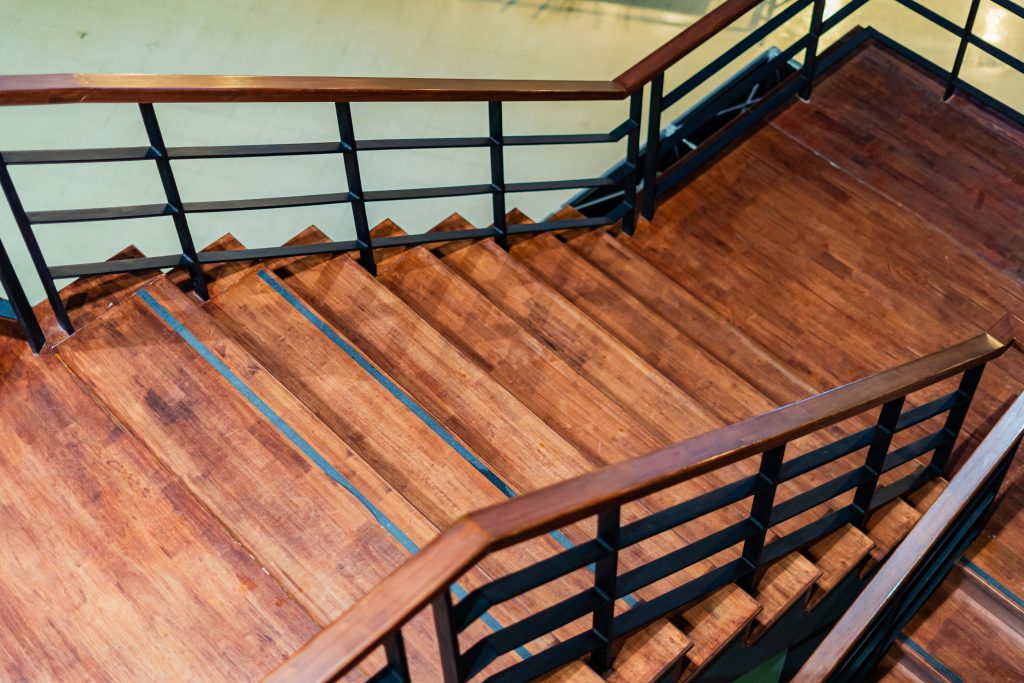
Most stair issues start with stair railing spacing, not with the railing style. Therefore, the safest looking staircase can still feel wrong if the openings, heights, and clearances were guessed. At Metalex, we see the same measurement misses repeat on new builds and on renovations, so this guide walks through what to measure before fabrication starts.
Why spacing mistakes happen so often
Stair parts look simple, but the layout is not forgiving. That is to say, a small change at the first tread can shift the angle, the post locations, and the gap sizes all the way up. People also measure from the wrong reference point, and, moreover, they forget that trim, drywall returns, and stair nosings change the real finish line.
Another common problem is measuring only one spot. However, stairs rarely stay perfectly consistent from bottom to top, especially in older Toronto homes where floors settle over time. As a result, a gap that looks fine at mid run can become noticeably larger at the landing.
Stair railing spacing: the gaps that matter most
The first gap to check is between vertical pickets or panels. Firstly, you want openings that stay consistent and safe along the full run, not just at eye level. Secondly, measure at the tightest and widest points because stringers and treads can vary slightly. Consequently, you catch the “one wide opening” problem before it turns into a full rework.
Next, confirm the gap under the bottom rail, especially on open stair sides. In other words, even if pickets are evenly spaced, a bigger bottom gap can create the same safety concern. Likewise, the top rail to wall clearance matters on wall mounted railings, because hands need room to grip without scraping knuckles.
After that, look at the transitions where the stair meets a landing or balcony edge. For instance, a corner post can shift the final spacing pattern, and the last opening can become wider than the rest if it was not planned. Metalex typically plans spacing from the most visible areas first, so the pattern finishes cleanly at the ends instead of forcing an odd final gap.
Measure the stair run like a fabricator would
Start by measuring the full slope length and the horizontal run. Meanwhile, take a second measurement along the tread noses because that is where the real line usually reads visually. Then measure the exact locations of the first and last posts, because the post footprint and base plates affect usable space for pickets.
To clarify, you are not only measuring “how long the railing is.” You are measuring the space available for the pattern after posts, returns, and offsets are subtracted. Therefore, always record the post size, the base plate size, and how close the post can sit to the tread edge without creating an awkward reveal.
If the project includes a full stair build, connect your stair measurements to your railing plan early. For example, on custom steel stairs, tread thickness and nosing style change the rail geometry and the bottom gap. You can review stair options and planning details through metal stairs and match the railing layout to the final stair build instead of to a temporary frame.
Interior details people miss in Toronto homes
Interior stairs often sit tight to drywall and trim. However, that trim can be replaced later, so you should confirm what the finished wall will be before locking in bracket locations. In addition, check baseboard heights at the stair wall because they can push brackets upward or outward and reduce grip space.
If you want a clean interior look, plan where the handrail returns and where the first bracket sits. Subsequently, confirm whether the rail ends at a newel post or returns into the wall, because each choice changes the final measurement by a few inches. For design examples that match Toronto interiors, explore interior metal railings Toronto and compare the spacing feel of pickets versus panels.
When railings, fences, and gates should match
Many properties want the stair railing style to flow into other metal work. That is to say, matching picket spacing and post proportions can make the entry feel intentional. For instance, a front stair rail with tight, consistent spacing looks even better when it pairs with a driveway or yard line that follows the same rhythm.
If the stair is outside and ties into perimeter metal, confirm how the railing terminates near grade and how it aligns with the next section. Consequently, you avoid odd step downs or awkward corner posts. You can review matching perimeter options through metal fences and coordinate openings, top lines, and post sizes for a unified look.
Likewise, the gate opening and latch side can influence how the stair rail ends near the walkway. In other words, the rail should not force a tight pinch point where people carry groceries or move furniture. If the project includes an entry gate, check layout and clearance ideas with metal gates so the stair approach stays comfortable and the spacing feels consistent.
A quick checklist before you finalize fabrication
Firstly, measure the run at multiple points, not just once. Secondly, confirm where the finished surfaces will land, including flooring, nosings, and trim. Moreover, plan post locations first, then divide the remaining space for the picket pattern so stair railing spacing stays consistent from start to finish. Most importantly, document every measurement and note what each one references, because “from drywall” and “from finished trim” are not the same thing.
FAQs
What is the biggest stair measurement mistake people make?
Most people measure only the middle of the run. Therefore, they miss small variations at the first tread, last tread, or landing edge that can create one oversized opening and throw off the full spacing pattern.
Should I measure before or after new flooring goes in?
Measure after the finished surfaces are confirmed. In other words, new flooring, nosings, and trim can shift heights and clearances, so locking measurements too early often leads to bracket and bottom gap problems.
Do stairs in older homes change spacing needs?
Yes, older stairs often vary slightly from bottom to top. Consequently, you should measure multiple points and plan posts based on the real finished line, not on assumptions from a single tape pull.
Can I match my stair railing spacing to my fence and gate?
Yes, and it usually looks better when you do. Moreover, matching openings, post sizes, and top rail lines helps the entry feel intentional instead of like separate projects done at different times.
What should I prepare before calling Metalex for a quote?
Bring photos, rough dimensions, and notes about finished surfaces. After that, include landing details and any nearby door or gate clearances, so the team can confirm spacing, post placement, and clean terminations early.

