Tight floor plans are one of the most common design headaches in Toronto homes. Whether you own a narrow semi-detached in the Annex or a stacked townhouse in Etobicoke, the space between floors is often just enough to squeeze in a functional staircase — not a beautiful one. However, that assumption is wrong. Metal changes everything.
Many homeowners still picture bulky wooden staircases when they think about tight spaces. In reality, metal indoor stairs in Toronto take up significantly less footprint, allow for open-riser designs that preserve sightlines, and deliver a structural strength that lets fabricators get creative in ways wood simply cannot match.
Why Metal Works Better in Small Spaces
Wood staircases need thick stringers, solid treads, and often closed risers to meet structural requirements. Consequently, they eat into floor space and feel heavy in smaller homes. Metal stringers, by contrast, carry load with much less material. A steel mono-stringer staircase, for example, supports a full-width tread using a single central spine instead of two bulky side walls.
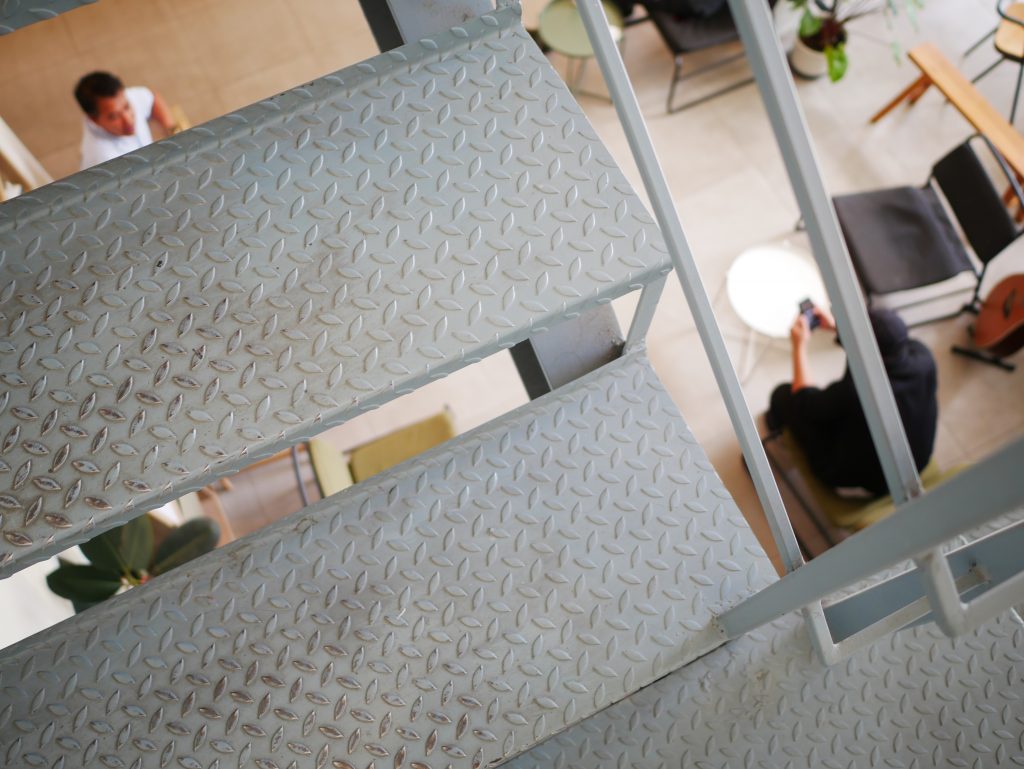
Furthermore, open-riser metal stairs create an optical illusion of space. Light passes through. The eye travels further. The room feels larger — even when the actual square footage stays the same. That is a meaningful upgrade in any Toronto home where every square foot counts.
Floating Stairs Are Not Just for Big Homes
Floating stair designs get featured in luxury magazine shoots and expansive lofts. However, they work just as well in modest spaces. In fact, they work better. A floating metal staircase in a 1,400 sq ft home creates a visual anchor that makes the room feel intentional and designed — rather than tight and crowded.
Metalex INC custom-fabricates each staircase to fit the exact dimensions of your floor plan. There is no standard size. Therefore, a 900mm-wide opening that seems too narrow for a “real” staircase becomes completely viable when a fabricator builds specifically around your constraints.
Spiral Stairs: The Space-Saving Option People Overlook
Spiral metal staircases are the most compact option available for connecting two floors. A standard spiral stair fits within a 1.5m diameter footprint. That is often smaller than a closet. Additionally, spiral stairs work well in secondary spaces — connecting a finished basement, accessing a rooftop deck, or linking a mezzanine to the main floor.
Metalex INC builds spiral staircases with custom tread widths, railing heights, and finishes. Powder-coated black is a popular choice for modern interiors, but natural steel, brushed grey, and even mixed metal-and-wood combinations are fully available.
Getting the Railing Right on a Tight Staircase
A great staircase needs an equally great railing. On narrow stairs, the railing has to do double duty — provide grip and safety while staying slim enough not to shrink the usable width further. This is where interior metal railings come in. Flat bar and round bar metal railings take up far less visual space than traditional wooden balusters. Furthermore, cable railings are another option — nearly invisible from the side, structurally sound, and perfectly suited to modern interiors.
Metalex INC designs the railing as part of the stair package. Everything gets fabricated together so proportions, finishes, and anchor points align perfectly from day one.
What the Fabrication Process Looks Like
The process starts with a site visit. A Metalex INC team member measures your opening, checks floor and ceiling heights, notes any structural elements like beams or pipes, and photographs the space. From there, the design team produces a plan that maximizes every millimetre.
Fabrication happens in the shop. Then the team brings the completed staircase to your home and installs it — including any on-site welding needed to connect anchor points to your existing structure. Most installations complete in a single day.
Coordinating Stairs With the Rest of Your Home
Homeowners who invest in metal stairs often want that design language to carry through the rest of the property. Metalex INC handles full-property metalwork. The same team that builds your stairs can handle your metal balcony railing work and even exterior iron fencing — creating a unified metal aesthetic from the front gate to the top floor.
Tight floor plans are not a limitation. They are a design challenge. And metal is the material built to meet that challenge head-on.
FAQs
Q: How much floor space does a metal staircase typically require? A: It depends on the design. A straight mono-stringer metal stair can fit in under 3 square metres of floor footprint. Spiral stairs compress further — often fitting within a 1.5m x 1.5m area. A fabricator measures your space and confirms feasibility before any work begins.
Q: Are metal indoor stairs safe for children and elderly users? A: Yes, when properly designed. The key factors are tread depth, riser height, railing height, and baluster spacing. Metalex INC builds every staircase to Ontario Building Code standards, which include specific requirements for residential stair safety.
Q: Can metal stairs be combined with wood treads? A: Absolutely. Many homeowners prefer a metal frame with hardwood or engineered wood treads for warmth underfoot. The metal structure provides the strength while the wood softens the aesthetic and adds grip.
Q: How long does a custom metal staircase take to fabricate? A: Fabrication typically takes two to four weeks after measurements and design approval. Simpler designs move faster. Complex spiral or floating designs with premium finishes take a little longer.
Q: Do metal stairs make a lot of noise when you walk on them? A: Noise depends on the tread material. Open metal treads transmit more sound. Adding rubber treads, carpet inserts, or wood overlays significantly reduces foot noise. Your fabricator can recommend the best approach for your home.