A metal gate is built to last, however daily use, weather exposure, and ground movement can slowly affect how it performs. Small changes often go unnoticed at first, but they can lead to bigger problems if ignored. Therefore, understanding early signs of wear helps prevent costly repairs and keeps your property secure.
At Metalex, proper inspection and timely fixes are part of maintaining long-lasting gates. In other words, catching issues early saves time, money, and stress while keeping everything working smoothly.
Difficulty Opening or Closing the Gate
One of the first signs of a problem is when your gate no longer opens or closes easily. You may notice resistance, dragging, or uneven movement. Consequently, this often points to alignment issues or hinge wear that needs attention.
This problem can develop from loose hardware, shifting posts, or even temperature changes that slightly warp the structure. For example, gates exposed to strong seasonal changes may expand and contract, affecting how they move.
In many cases, adjustments restore smooth operation. However, if the issue continues, it may require professional repair or reinforcement. Services like mobile welding are often used to correct structural misalignment directly on-site.
Sagging or Misaligned Gate Structure
A sagging gate is another clear sign that something is not right. Over time, the weight of the gate can pull it downward, especially if hinges weaken or posts shift. As a result, the gate may lean, creating gaps or uneven spacing.
You might notice that the latch no longer lines up properly or that the gate scrapes against the ground. That is to say, the entire structure begins to lose balance. This issue is common in heavier installations like steel gates Toronto properties rely on for security.
Fixing sagging early prevents further strain on hinges and frames. Otherwise, continued use can worsen the damage and lead to full replacement instead of a simple adjustment.
Unusual Noises During Operation
Metal gates should operate quietly with minimal sound. Therefore, grinding, squeaking, or clicking noises are warning signs that parts are wearing down or lacking proper lubrication.
For instance, rust buildup or dirt inside hinges can create friction. Similarly, loose components may shift during movement, producing noise. These sounds often appear gradually, which is why they are easy to ignore at first.
Addressing these issues early helps avoid further damage. In addition, cleaning and tightening components may solve the problem quickly. However, persistent noise may indicate deeper structural concerns that require repair.
Visible Rust, Corrosion, or Surface Damage
Exposure to moisture and weather conditions can lead to rust and corrosion on metal gates. Consequently, this weakens the material and affects both appearance and strength.
You may notice peeling paint, discoloration, or rough surfaces forming on the gate. For example, gates made from materials similar to iron fences Toronto installations often require regular maintenance to prevent corrosion.
Surface damage should never be ignored. Above all, untreated rust can spread quickly and compromise the entire structure. Proper cleaning, sealing, and repair can extend the lifespan of your gate significantly.
Gate Does Not Stay Properly Closed
If your gate swings open on its own or does not latch securely, it signals a functional problem. Therefore, this issue often points to alignment changes, worn latches, or uneven ground.
A gate that fails to stay closed can reduce security and create inconvenience. In addition, it may worsen over time if not corrected. For instance, wind pressure can push a loose gate further out of alignment.
Adjusting the latch or repositioning the gate usually solves the issue. However, if structural components are damaged, professional repair becomes necessary to restore proper function.
Ground Movement Affecting Gate Position
Changes in the ground beneath your gate can impact its alignment. This is especially common in areas with seasonal freezing and thawing. As a result, posts may shift slightly, affecting how the gate operates.
You might notice uneven gaps or a gate that no longer sits level. Similarly, the bottom edge may begin to drag or lift unevenly. These signs indicate that the foundation supporting the gate needs attention.
Solutions vary depending on the severity. Minor adjustments may work, while larger shifts may require resetting posts or reinforcing the structure. Gates installed alongside systems like galvalume fences Toronto often face similar environmental stress.
Loose or Damaged Hardware Components
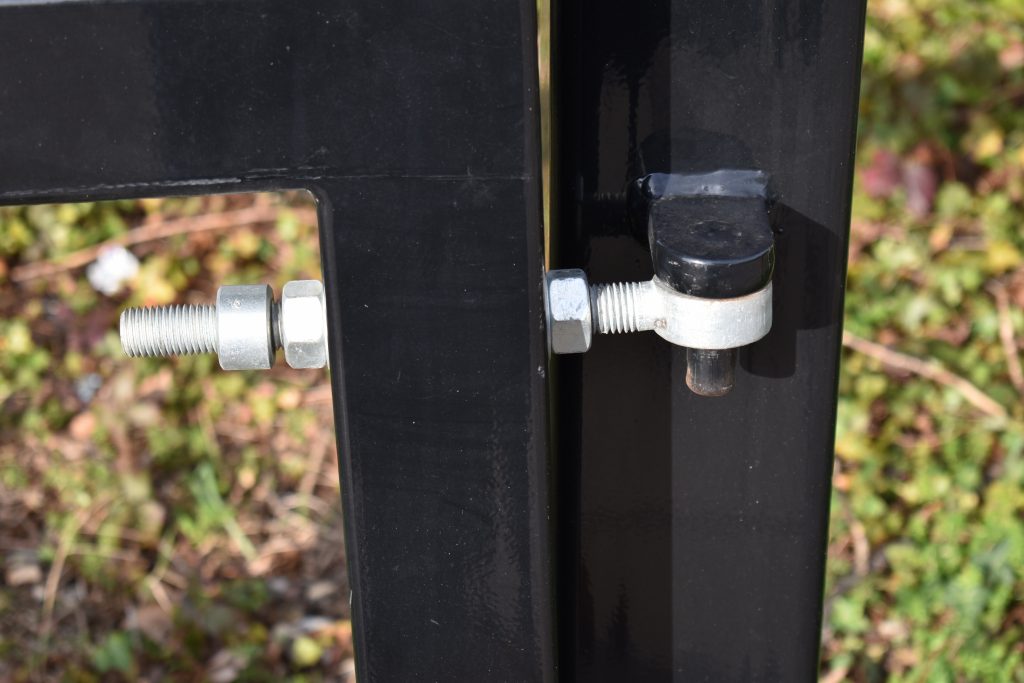
Over time, bolts, hinges, and brackets can loosen due to constant use. Consequently, this affects the stability and movement of the gate. Small vibrations during daily operation can gradually weaken these connections.
You may notice parts rattling or slight movement where there should be none. In other words, the gate loses its firm support. This can lead to misalignment or uneven wear on other components.
Regular inspection helps catch these issues early. In addition, tightening or replacing hardware can restore proper function quickly. For more complex cases, learning more about professional services can help guide the next steps.
FAQs
What is the most common reason a metal gate needs adjustment
The most common reason is misalignment caused by hinge wear or ground movement. Over time, daily use shifts the gate slightly, which affects how it opens, closes, and latches properly.
How often should a metal gate be inspected
A metal gate should be inspected at least once or twice a year. In addition, checking after extreme weather helps identify early signs of damage before they become serious problems.
Can a sagging gate be fixed without replacement
Yes, in many cases a sagging gate can be adjusted by tightening hinges or realigning posts. However, severe structural damage may require professional repair instead of simple adjustments.
Is rust always a sign that repair is needed
Not always, but rust should be addressed quickly. Surface rust can be cleaned and treated, while deeper corrosion may weaken the structure and require repair or reinforcement.
When should professional repair be considered
Professional repair should be considered when adjustments no longer fix the issue, or when structural damage, welding, or alignment problems are involved. Early expert help prevents larger and more expensive repairs later.