
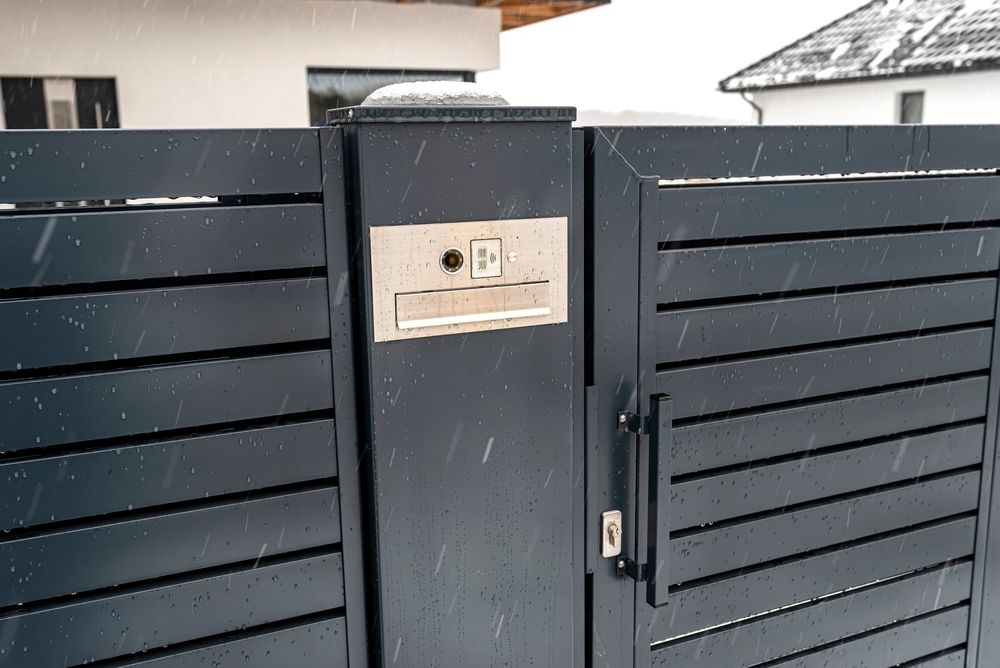
Metalex Inc. builds iron and steel fences for Toronto weather, and a little metal fence winter maintenance each November keeps those fences strong for decades. Road salt, snow load and repeated freezing and thawing are hard on any finish. A few simple checks before the cold arrives can prevent most winter damage. This guide explains what winter does to metal, what to inspect now, and what to do after the snow melts.
What Winter Does to a Metal Fence
Cold weather alone does not hurt steel or iron. The trouble comes from moisture, salt and movement. Water seeps into tiny chips in the coating, freezes, expands and widens the crack. Repeat that cycle dozens of times in a Toronto winter and a pinhole becomes a flaking patch.
Road salt makes the problem worse. Salt dissolved in meltwater speeds up corrosion on bare metal, and it splashes onto fences near driveways, sidewalks and streets. Snow piled against the bottom rail holds that salty moisture against the metal for weeks.
The good news is that these effects are predictable. Most winter damage starts in a few known places, which makes inspection quick and focused.
Landscaping plays a part as well. Shrubs and mulch pressed against the fence trap damp air at the base. Trimming plants back a little in fall lets the wind dry the metal, and it gives you a clear view of the lowest rail when you inspect.
Your Fall Checklist for Metal Fence Winter Maintenance
Pick a dry day in late October or November, before the first hard freeze. Walk the full length of the fence and look closely at the areas where problems begin.
- Bottom rails and post bases: These sit closest to snow, salt and splash.
- Welded joints: Coatings often thin out at welds and corners.
- Gate hinges and latches: Moving parts collect moisture and grit.
- Scratches and chips: Any spot where bare metal shows through.
- Fasteners and anchors: Loose posts move more in frost.
Do not forget the posts. Press gently on each one to check for movement, because a post that wobbles in fall will often lean further after a few frost cycles. Look at the ground around it for gaps or sunken soil. Take a few photos of anything suspicious. Comparing them in spring shows whether a spot has grown, which helps you decide what needs attention.
Touching up small chips
Small chips can be dealt with before winter. Clean the area with a stiff brush, remove loose paint or rust, dry it, then apply a primer and a compatible topcoat. Match the product to the original finish. If you are unsure what coating your fence has, ask the installer before you paint.
For a closer look at spotting early corrosion, see our guide on how to tell if your iron fence needs rust treatment.
Metal Fence Winter Maintenance by Season
Fence care works best as a yearly rhythm rather than a one-time job. The table below shows a simple schedule you can follow.
| Season | Main task | What to look for |
|---|---|---|
| Fall | Inspect and touch up | Chips, rust spots, loose posts |
| Early winter | Clear snow from the base | Drifts packed against rails |
| Mid winter | Rinse salt splash when possible | White residue on lower sections |
| Spring | Wash and re-inspect | New flaking, bent bars, gate sag |
| Summer | Maintain and recoat if needed | Fading, thin coating |
Protecting Your Fence From Road Salt
Salt is the biggest seasonal threat for fences near the street. You cannot remove it from the neighbourhood, but you can limit the amount that reaches the metal.
Keep snow piles away from the bottom rail when you shovel. If your driveway runs beside the fence, choose where you throw the snow. A gap of even 30 centimetres (about a foot) between a snowbank and the fence helps air circulate and moisture drain.
On a milder day, rinse the lower section with plain water to carry salt away. Avoid high-pressure sprays that can strip paint. A soft cloth or brush with mild soapy water works well for stubborn residue.
Fence materials matter too. Zinc-based protection, such as galvanizing, is designed to slow corrosion, and organizations like the American Galvanizers Association explain how zinc coatings protect steel. If you are choosing between finishes, our comparison of powder coating and galvanization is a helpful read.
Snow Load, Ice and Gates
Snow and ice add weight and pressure. A drift against a solid panel can push on posts, while ice in a hinge can stop a gate from closing. Neither problem is dramatic, but both are easy to prevent.
Check that gates swing freely before the first storm. A little lubricant on hinges and latches keeps them moving, and clearing ice before forcing a gate protects the hardware. If a gate already drags or sags, it may be out of alignment, and frost will only make that worse.
Our article on gate alignment and wear explains the warning signs. A gate that closes cleanly in fall is far less likely to jam in January. It is worth testing the latch with a gloved hand too, since a stiff catch is harder to work in the cold and tempts people to force it.
Spring Follow-Up and Repairs
When the snow melts, repeat your walk-through. Compare new photos with your fall set and note any changes. Look for fresh rust blooms, loose posts, bent pickets and coating that has lifted.
Light surface rust can usually be cleaned, primed and repainted. Deeper pitting, cracked welds or posts that have shifted need professional attention. Catching these problems early often means a repair rather than a replacement, as we explain in our article on metal fence repair instead of replacement.
If you need help, a visit lets us assess the fence and explain your options. An honest quote is given after assessment, never before.
Frequently Asked Questions
When should I start metal fence winter maintenance?
Late October to mid-November is ideal in the Toronto area, before the ground freezes and the first salt is spread. A dry day makes touch-ups easier. If you miss that window, a quick check on any mild winter day still helps.
Can I wash my metal fence in winter?
Yes, on a day above freezing. Use plain water or mild soapy water and a soft brush, then let it drain. Avoid washing when temperatures will drop right away, because trapped water can freeze in joints.
Does a powder-coated fence still need winter care?
It needs less, but it is not maintenance-free. Chips and scratches expose bare metal, and salt finds them quickly. A fall inspection and quick touch-ups keep the coating doing its job.
What if I see rust on my fence in winter?
Small spots can be monitored and treated in spring. Larger or spreading rust deserves a closer look sooner. Photos and a short description are a good way to start the conversation with a professional.
Contact Metalex Inc.
Want a second opinion on your fence before the cold sets in? Get in touch.
- Phone: (647) 969-3759
- Address: 124 Connie Crescent Unit # 6, Vaughan, ON L4K 1L7
- Hours: Monday to Friday, 8:00 a.m. to 5:00 p.m.