
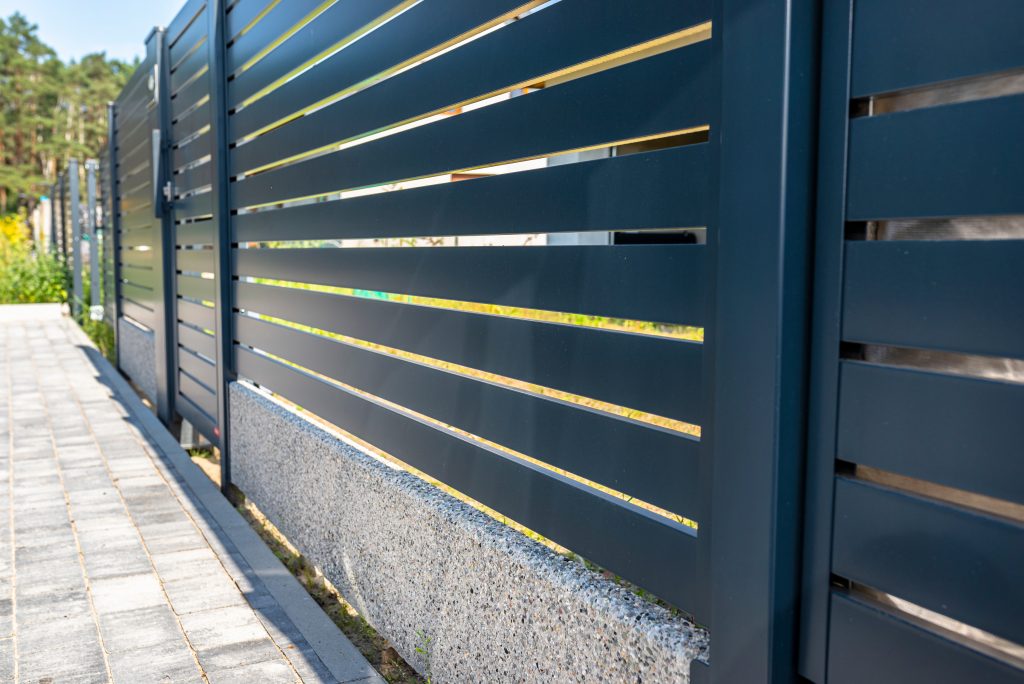
Fence layout planning is not just about marking boundaries. It directly affects how you move, use, and experience your outdoor space every day. Therefore, a well-planned fence improves access, privacy, and functionality across your entire property. At Metalex, we approach each layout with a clear goal: to make your space feel open where needed and secure where it matters most.
When planning your fence, it is important to think beyond straight lines. In other words, the placement of gates, pathways, and sections can either improve or restrict how your property works. A thoughtful layout ensures smooth movement while maintaining structure and security.
Understanding Property Flow Before Installation
Before any installation begins, the first step is understanding how your property is used daily. For example, you may have areas for parking, relaxing, or storage. Each of these spaces needs proper access, and the fence layout must support that.
We often begin by walking through the property and identifying natural movement paths. Consequently, this helps determine where entrances and openings should be placed. A fence that blocks these paths can create inconvenience, while a well-positioned one enhances efficiency.
To clarify, property flow includes how people, vehicles, and even pets move across the space. This is why planning matters before choosing materials or styles. You can learn more about how professional planning works through our about our process, which explains how each project is carefully designed from the start.
Strategic Gate Placement for Daily Use
Gates are one of the most important elements in any fence layout. However, they are often treated as an afterthought. In reality, proper gate placement defines how easily you can access different areas of your property.
Firstly, consider your main entry points. These should align with driveways, walkways, or frequently used paths. Secondly, think about secondary access points, such as garden areas or side yards. Adding these strategically can save time and effort every day.
For instance, placing a gate too far from your driveway can make daily routines inconvenient. On the other hand, a well-positioned gate improves accessibility instantly. Moreover, custom solutions like mobile welding services allow adjustments on-site to ensure the layout fits perfectly.
In addition, the type of gate should match its function. Larger openings work better for vehicles, while smaller ones are ideal for pedestrian use. This balance keeps your property both functional and secure.
Choosing Fence Types That Support Flow
Not all fences serve the same purpose. Therefore, selecting the right type plays a key role in maintaining good property flow. Some designs create openness, while others provide strong separation.
For example, steel gates and fencing are ideal for areas where strength and durability are required. These are often used for main entrances or high-traffic zones. Meanwhile, galvalume fences offer a clean and modern look while still maintaining protection.
On the other hand, decorative options like iron fences allow visibility while defining boundaries. This is useful for front yards where openness is preferred. Similarly, combining different fence styles across the property can create a balanced layout that supports both privacy and accessibility.
Most importantly, the material and design should match how each area is used. A backyard may require more privacy, while a front area may benefit from a more open design.
Avoiding Common Layout Mistakes
Many fence issues come from poor planning rather than poor installation. Therefore, avoiding common mistakes can save time and money in the long run.
One common mistake is placing fences without considering future changes. For example, adding a deck or driveway later may require adjustments. Planning ahead prevents these issues.
Another issue is uneven spacing or awkward angles. This can disrupt the natural flow of the property. Instead, keeping lines consistent and aligned with existing structures creates a cleaner and more functional layout.
In addition, ignoring terrain can lead to problems. Slopes, elevations, and obstacles must be considered during planning. Otherwise, the fence may not function properly or may require costly modifications later.
Balancing Privacy and Openness
A good fence layout does not block everything. Instead, it creates a balance between privacy and openness. This balance depends on how each part of your property is used.
For instance, backyard areas often need more privacy. Therefore, taller or solid fences work well in these sections. Meanwhile, front areas can remain more open to maintain visibility and curb appeal.
Similarly, partial enclosures can be used to define spaces without closing them off completely. This approach keeps the property feeling spacious while still organized. In the same vein, combining different heights and styles can improve both function and appearance.
At Metalex, we focus on creating layouts that feel natural rather than restrictive. Each section is designed with a purpose, ensuring the entire property works together as one connected space.
Long-Term Benefits of Proper Fence Planning
Planning your fence layout properly offers long-term benefits beyond appearance. Firstly, it improves daily convenience by making movement easier. Secondly, it enhances security by placing barriers where they are most effective.
Moreover, a well-designed layout increases property value. Buyers often notice how functional and organized a space feels. A fence that supports this can make a strong impression.
In addition, proper planning reduces the need for future adjustments. This saves both time and cost over the years. Above all, it ensures that your investment continues to perform as expected.
When done right, a fence becomes more than just a boundary. It becomes part of how your property functions every day.
FAQs
How do I start planning a fence layout?
Start by identifying how you use your property daily. Then, map out key areas like entrances, walkways, and activity zones to guide the layout.
Where should gates be placed for best access?
Gates should align with natural movement paths such as driveways and walkways. This ensures easy access without disrupting daily routines.
Can different fence types be combined?
Yes, combining materials like steel, iron, and galvalume can improve both function and appearance across different sections of your property.
How does terrain affect fence layout?
Slopes and uneven ground require careful planning. Otherwise, the fence may not align properly or may need adjustments later.
Why is fence layout important for property value?
A well-planned fence improves usability and appearance. As a result, it makes the property more attractive and functional for future buyers.